

The Only Question That Matters
Strait functionality in the next 30 days will decide whether the MOU delivers relief or catastrophe

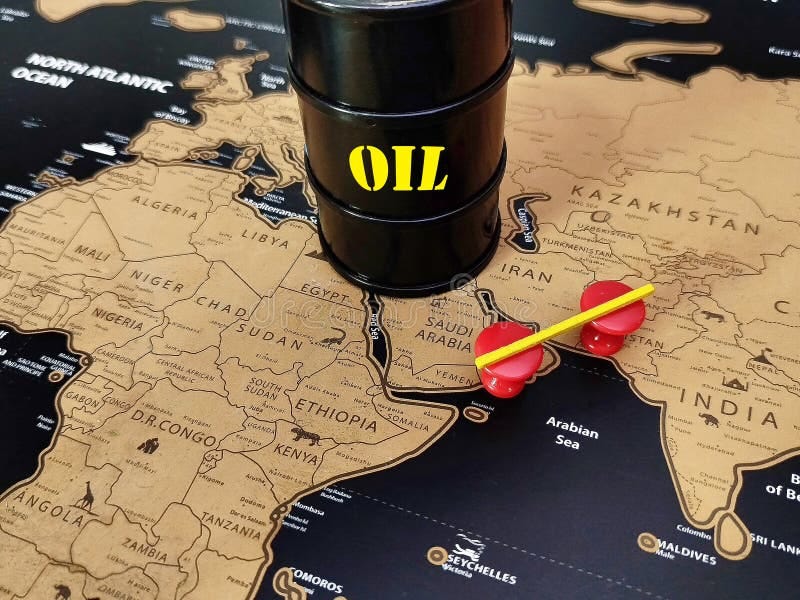
We have reached a point where only one question matters:
Will the Strait of Hormuz remain functionally open — or become closed / “less open” again — in the next 30 days?
Yesterday I noted that a handful of observations were converging and that I would either write multiple pieces or synthesize them. I am away from my desk today, so here is the short version on mobile.
The administration has pounded the table that the MOU averts catastrophe. Specifically, they have warned that failure to open the Strait would produce:
• Global energy crisis / Armageddon scenario: Massive spike in oil and gas prices, supply shortages, and broad economic pain.
• Severe impact on Europe and Japan: Immediate and acute shortages due to heavy reliance on Gulf crude. Japan is particularly vulnerable given limited domestic reserves and long transit times.
• Higher U.S. gas prices and inflation: Even with domestic production, global tightness would drive up fuel costs and broader inflationary pressure.
• Damage to allies and global trade: Disruption to shipping, elevated insurance and freight costs, and harm to Gulf partners and Asian buyers.
• Prolonged uncertainty and market volatility: Sustained risk premia, deterred investment, and unstable energy markets for months.
• Strategic setback: Emboldened Iran, strengthened coercive leverage, and undermined U.S. goals on nuclear issues and regional stability.
Some of this is rhetorical emphasis. Much of it is not. We have tracked the same physical constraints, oil prices, supply dynamics, and Japan’s vulnerability. The administration sees the same mechanics.
What their commentary leaves out is the obvious: if the Strait closes or reverts to restricted flows, the very conditions they described as catastrophic become self-fulfilling.
We can simplify. We do not need granular oil market analysis right now. U.S. crude reserves, Fed policy, AI capex, positioning — none of it matters if the Strait disrupts. Mechanically, all paths lead back to physical supply.
Macro forces are always present and policy levers can blunt them. Physical constraints are different. Absent the ability to continuously supply more barrels, the negative outcome becomes probable.
As I wrote in “Iran Has the World by the Gas Tank,” Iran’s ability to control the Strait puts it in de facto control of global energy flows and, by extension, much of the global economy. That remains true.
The market is betting that another round of talks on the same unresolved issues will produce no further conflict or Strait disruption. That is possible. But given the fragility of the MOU barely 24 hours after formalization, I have low confidence in the smooth, full, or productive opening the administration has repeatedly projected.
All eyes on the Strait and whether the MOU holds.
Disclaimer: This is analysis and speculation based on publicly available information, mechanical constraints, and observed patterns. It is not investment advice. Energy markets are complex and subject to rapid change. Past performance and current assessments are no guarantee of future outcomes. Readers should conduct their own due diligence and consult qualified professionals before making any investment decisions.